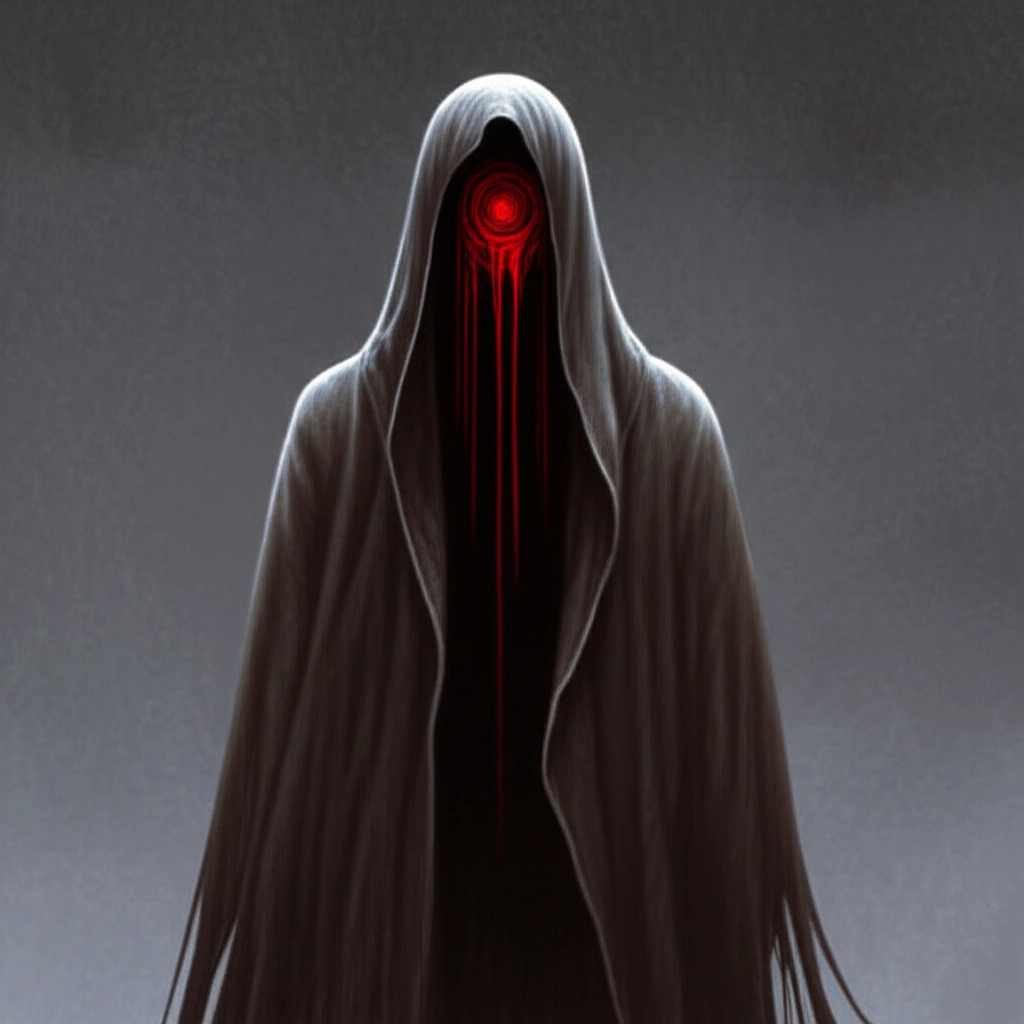
Chapter 5: Smashing the Mirror
Chapter 5: Smashing the Mirror
The image of the bloody flower carved into the little boy’s chest was burned onto the back of Sofia’s retinas. She scrambled away from the fire escape door, a strangled, guttural sound clawing its way up her throat. She pressed herself into the far corner of the room, making herself small, wrapping her arms around her shaking knees. She squeezed her eyes shut, but the grotesque parody of her own words—a place with flowers that hummed—played on a loop in her mind, a soundtrack to the horrifying visual.
When she dared to look again, the fire escape was empty. The boy was gone. But his presence lingered, a cold spot in the air, a stain on her soul. He wasn't a violent specter like the Raincoat Man or a grim omen like Brandon. He was worse. He was a twisted reflection of her own deceit, an innocent phantom performing a grotesque pantomime of the comforting lie she had sold his mother for five thousand dollars.
That money, her supposed salvation, now felt like thirty pieces of silver.
Chime.
The sound from her laptop was so sharp, so alien in the thick silence, that she screamed. Another email. Another grieving soul. Another potential monster waiting to be born from her poisoned words.
Something inside her snapped. The terror, the guilt, the agonizing pain of withdrawal—it all coalesced into a single, white-hot point of rage. This had to end. The emails. The lies. The ghosts. All of it.
Her eyes fell upon the source. The black, rectangular portal on her desk. The mirror that showed her not her own reflection, but the monsters she created. It was the gateway. She had to shatter it.
With a surge of desperate energy, Sofia launched herself from the floor. She scanned the cluttered room for a weapon. Her gaze landed on a heavy glass award on a bookshelf, a relic from her past life—"Excellence in Investigative Journalism." A bitter laugh escaped her lips. She snatched it from the shelf, its weight solid and real in her trembling hand.
She stood before the desk, her breath coming in ragged gasps. The screen glowed, displaying the unread email, another plea from a world of pain she had been exploiting.
“No more,” she whispered, the words a prayer and a curse.
She raised the award high over her head and brought it down with all the force she could muster.
The sound was a sharp, satisfying explosion of cracking plastic and shattering glass. The screen spiderwebbed into a thousand pieces and went dark. She didn't stop. She brought the award down again and again, a primal scream tearing from her throat with each blow. She smashed the keyboard until the keys flew like shrapnel. She battered the body of the machine until it was a mangled wreck of wires and circuits.
When she was done, she stood panting in the dim light, the heavy award clutched in her fist. The apartment was silent. The chimes were gone. For the first time in days, there was no digital beckoning from the abyss. She had destroyed the gateway.
A fragile, dangerous hope began to bloom in the wasteland of her fear. Maybe this was it. Maybe if she cut off the source, the connection would sever. The ghosts were echoes of the notes she wrote. No more notes, no more ghosts.
It was a chance.
Fueled by this sliver of hope, she moved through the apartment like a woman possessed. She gathered the pills she had just ordered, the ones meant to numb her pain, and flushed them down the toilet without a second thought. She took the new, unopened bottle of whiskey and poured it down the drain, the amber liquid swirling away like her own self-destruction.
The next few days were a special kind of hell. The withdrawal hit her like a freight train, leaving her a shivering, sweating, vomiting wreck on her bathroom floor. But this time, she embraced the agony. It was a purification. A penance. Every wave of nausea, every muscle spasm, was a physical manifestation of the poison leaving her body. She was paying her dues in a currency of pain.
When the worst of it was over, she emerged, gaunt and hollowed-out but strangely clear-headed. She dragged the dresser away from the closet. She unbolted the front door. She threw open the grimy window, letting in the cool, smoggy city air. She was reclaiming her space.
Using her phone, she started looking for work. Anything. A clean slate. She found a listing for a dishwasher at a greasy spoon diner halfway across town. The pay was insulting, the hours were brutal, and the work was mind-numbing. It was perfect.
The first week was a blur of scalding water, clattering plates, and the smell of old grease. It was humbling. It was exhausting. And it was honest. For the first time in years, she earned money that wasn’t stained with blood or lies. She came home each night, her body aching with a clean, simple fatigue, and fell into a dreamless, exhausted sleep.
The silence in her apartment was no longer menacing. It was just quiet. The shadows were just shadows. Maybe, just maybe, she had done it. She had escaped.
But the marks remained.
The deep purple handprint on her bicep, where the Raincoat Man had grabbed her, had faded slightly but was still stubbornly there, a permanent brand. And one morning, while looking in the mirror, she noticed something else. Faint, shadowy lines encircling her throat, like the ghost of a rope burn, a souvenir from Brandon’s visit. She scrubbed at her skin, but the marks wouldn’t fade. They were part of her now. Tattoos of her haunting.
Still, she pushed the fear down. They were scars, she told herself. Reminders of a battle she had won.
On a crisp afternoon, a week into her new life, she was walking home from the diner. The sun was bright, the streets were crowded with the normal, bustling life of the city. People on their phones, couples laughing, the sounds of traffic and distant music. She felt anonymous and safe in the crowd. She allowed herself a small, fragile smile.
That's when she saw him.
Across the four lanes of traffic, standing on the opposite corner, was a tall figure in a familiar, heavy brown raincoat. The hood was pulled low. Even from this distance, she could feel the unnatural stillness, the sheer wrongness of his presence in the bright afternoon sun.
Her blood ran cold. Her breath caught in her chest. It’s just a guy in a coat, she told herself frantically. It’s a big city.
She blinked, and he was gone. Vanished. A collective sigh of relief shuddered through her. A hallucination. A trick of the light, her trauma projecting itself onto a stranger.
She picked up her pace, her heart still hammering. She just wanted to get home, to lock the door and pretend she hadn’t seen anything. She glanced at the reflective glass of a storefront she was passing, checking her own haggard appearance.
And she saw him again.
In the reflection, he was standing directly behind her. So close she should have felt his breath on her neck. The brown coat. The deep, dark hood where a face should be.
She spun around with a strangled cry, expecting to collide with him, ready to scream, to fight, to run.
There was nothing there. Just the stream of pedestrians, their faces a blur of indifference as they flowed around her.
She stood frozen on the sidewalk, the sounds of the city fading to a dull roar in her ears. A cold, creeping dread washed over her, extinguishing the tiny flame of hope she had so carefully nurtured.
She had been wrong. So terribly, fatally wrong.
Smashing the laptop hadn't closed the door. It had only broken the lock. The hauntings weren't tied to the machine or the commissions. They were tied to her. She had opened a line of communication with the dead, and now, they had her number.
And the worst of them, the one born from her own father’s silence, could walk in the sun.
Characters
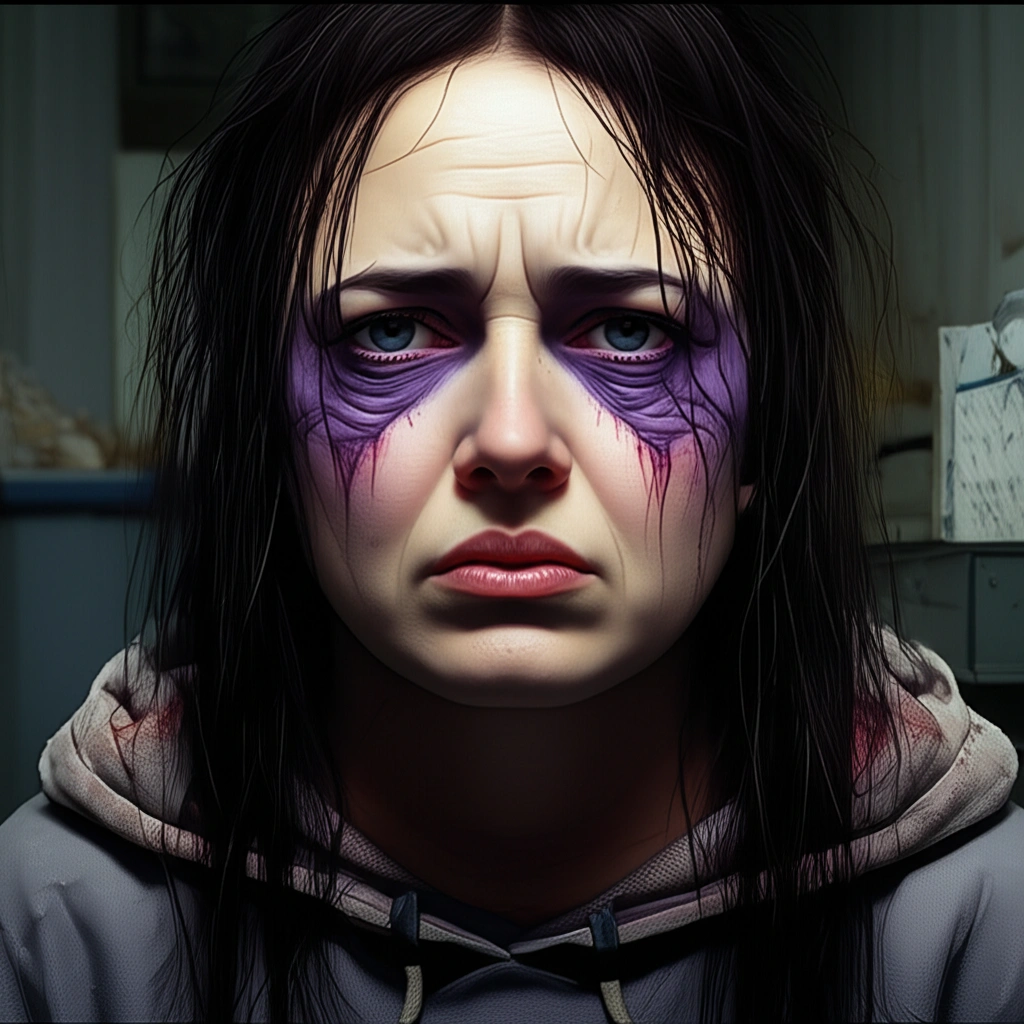
Sofia Miller